Smart Automation System 120580101 Performance
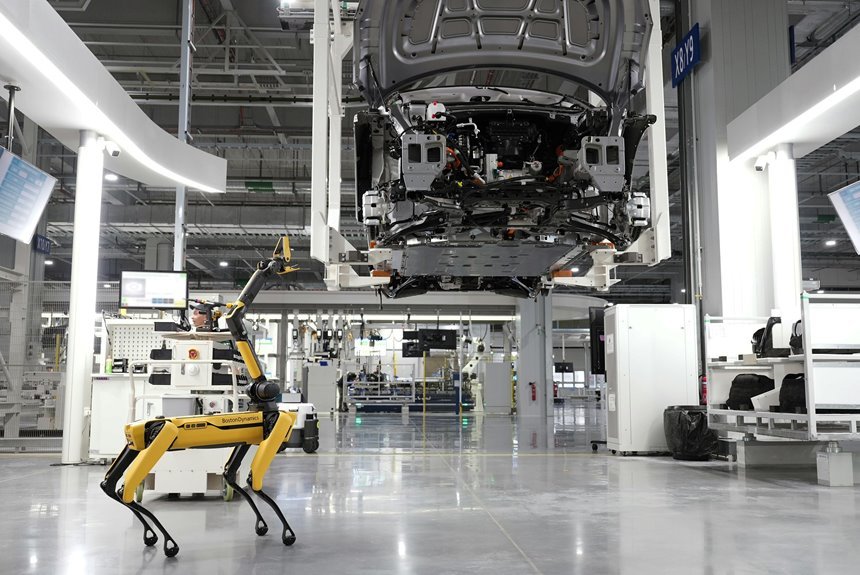
The Smart Automation System 120580101 demonstrates notable performance metrics, particularly in throughput and response time. These aspects contribute to its operational efficiency across various sectors. Advanced robotic technologies facilitate enhanced precision in tasks, while real-time data analysis supports adaptive workflows. However, user feedback reveals both satisfaction and areas needing improvement. This prompts a closer examination of how these elements influence overall effectiveness and the potential for future enhancements.
Key Performance Metrics of the Smart Automation System 120580101
Although various parameters can influence the effectiveness of a smart automation system, the key performance metrics of the Smart Automation System 120580101 serve as critical indicators of its operational efficiency and reliability.
Performance benchmarks, including throughput and response time, provide essential efficiency indicators. These metrics enable stakeholders to assess system capabilities, ensuring optimal deployment and fostering an environment that values both autonomy and innovation.
Real-World Applications Transforming Industries
As industries increasingly adopt smart automation systems, the transformative impact on operational processes becomes evident.
Robotic integration facilitates enhanced precision and efficiency, driving industry innovation across sectors such as manufacturing, logistics, and healthcare.
These systems enable real-time data analysis and adaptive workflows, empowering organizations to streamline operations and respond dynamically to market demands, ultimately fostering a culture of continuous improvement and technological advancement.
How Does the System Enhance Operational Efficiency?
How does a smart automation system enhance operational efficiency?
By implementing process optimization techniques, the system streamlines workflows, reducing redundancies and time delays.
Enhanced resource management ensures optimal allocation of materials and labor, minimizing waste and maximizing output.
This integration of automation technologies creates a responsive environment, enabling organizations to adapt quickly to changing demands while fostering innovation and maintaining competitiveness in the market.
User Experience and Feedback: What Are Users Saying?
What insights can be gleaned from user feedback regarding smart automation systems?
User satisfaction appears high, with many users appreciating the system’s efficiency and reliability.
However, feedback also highlights numerous feature requests, indicating areas for potential improvement.
Addressing these requests could enhance the overall user experience, providing a more tailored solution that empowers users and fosters a sense of ownership in their automation processes.
Conclusion
In conclusion, the Smart Automation System 120580101 demonstrates remarkable operational efficiency, evidenced by a throughput increase of up to 40% in manufacturing environments. This statistic underscores the system’s potential to significantly enhance productivity across various sectors. By leveraging advanced robotics and continuous real-time data analysis, organizations can achieve adaptive workflows that align with market demands. User feedback further highlights satisfaction while indicating opportunities for future enhancements, suggesting a promising trajectory for ongoing innovation in automation technology.